
Education at crossroads
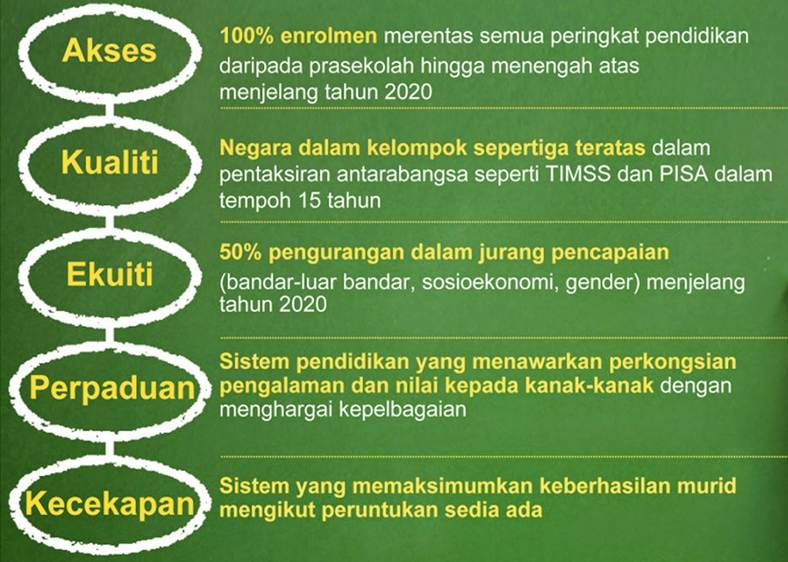
As the year draws to a close, many are curious about the status and performance of the education sector in particular. This is because 2025 is an endpoint of two "blueprints " launched in 2013 and 2015 for the "lower" (school) and "higher" (tertiary) education ecosystems respectively. A decade is a long time to ensure the "blueprints" are implemented accordingly. Especially the six student aspirations as well as the five systems aspirations. At the very least, these are common between the two systems, and can be read together to form a holistic picture of how much education has impacted the Malaysia society to meet the future challenges as an independent and sovereign nation globally. Not a (re-)colonised one! The four major dimensions of the crossroad that must be seriously considered are as follows.

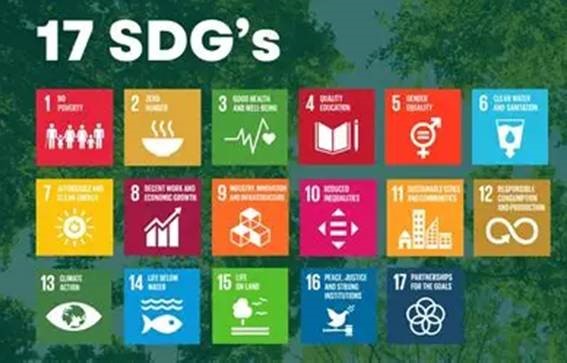
First, the Sustainable Development Goals (SDGs) framework announced and adopted by the United Nations Assembly in 2015 in New York, beginning from 2016 until 2030. Thus, the SDGs Agenda 2030 is framed as the next education framework in tandem with the World Education Forum 2015 held in Incheon. Although the Agenda exceeds the "blueprints" by five years, 2025 will be instructive enough to determine how much can be achieved in meeting the 17 SDGs in collective ways. In other words, how close is the current system to being "sustainable" as depicted by Education for Sustainable Development (ESD) in advancing the global future. This includes planetary well-being as the abode for the human species across the board! How effective are the six student aspirations as well as the five systems aspirations in contributing to the future. Namely, how aligned is the "new" education to the future.
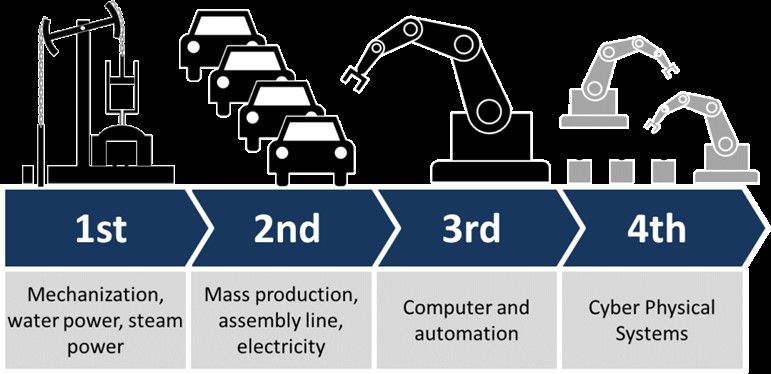
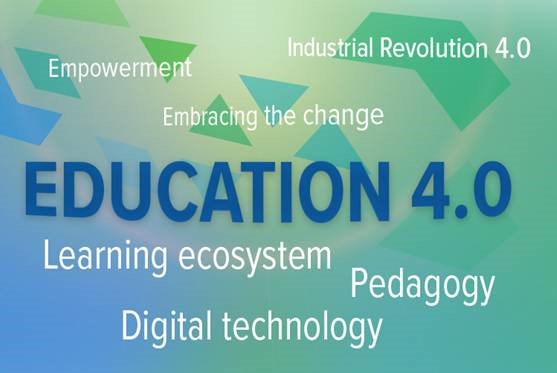
Second, the Fourth Industrial Revolution (4IR) was offered at the World Economic Forum 2016 in Davos by Klaus Swabs. Though not as extensive as the former in participation and coverage relatively speaking, the impact may be just as great, and could be the converse if it is inappropriately understood and implemented. For example, is the 4IR "sustainable" or well-aligned to the overall Agenda 2030? This is the key question that education is saddled with. Until today, there is no satisfactory response that is agreed upon, yet the term Education 4.0 is being bandied around as a prerequisite to 4IR. At times, in parallel with 17 SDGs. So where do we stand in simultaneously achieving the two major goals objectively?
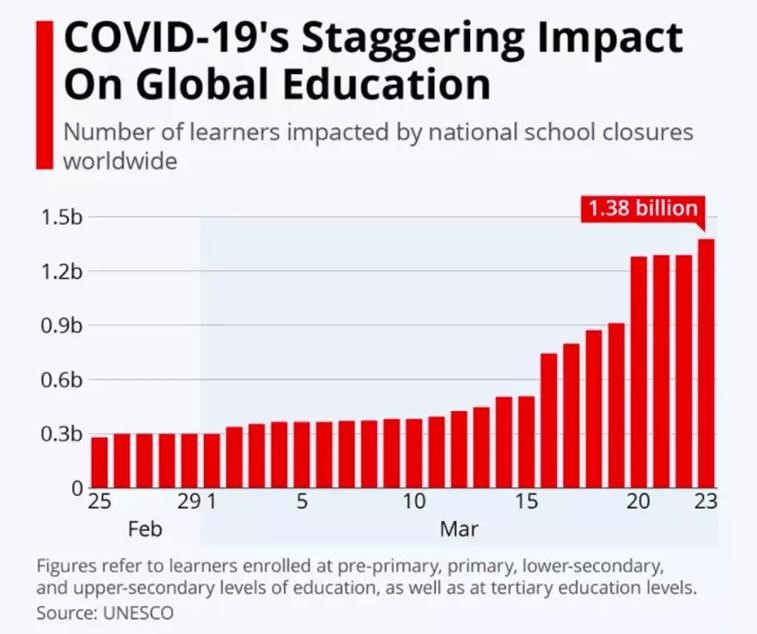
Thirdly, in the midst of this debate and dilemma, an unexpected disruption happened. It is not the usual technical predictable disruption, but a biological one involving an unknown virus, later called Covid-19, beginning in 2019. It later turned pandemic affecting the entire humanity like never before. Millions lost their lives due to lack of effective vaccines. When vaccines were introduced, millions still died due to uneven or unjust vaccines distribution globally. Human suffering was dealt with in the most inhumane way, where a prestigious medical journal described the tragedy as "crime against humanity." Overall, it showed that education was badly delivered, not only in terms of overall execution, but also impact throughout the whole system education worldwide. Malaysia was among the worse off resulting in many "dropouts," "those left behind," burnouts," "unable to cope," and finally "suffering from mental health issues," leading to "suicides," and other forms of "toxic" outcomes threatening all forms of lives.
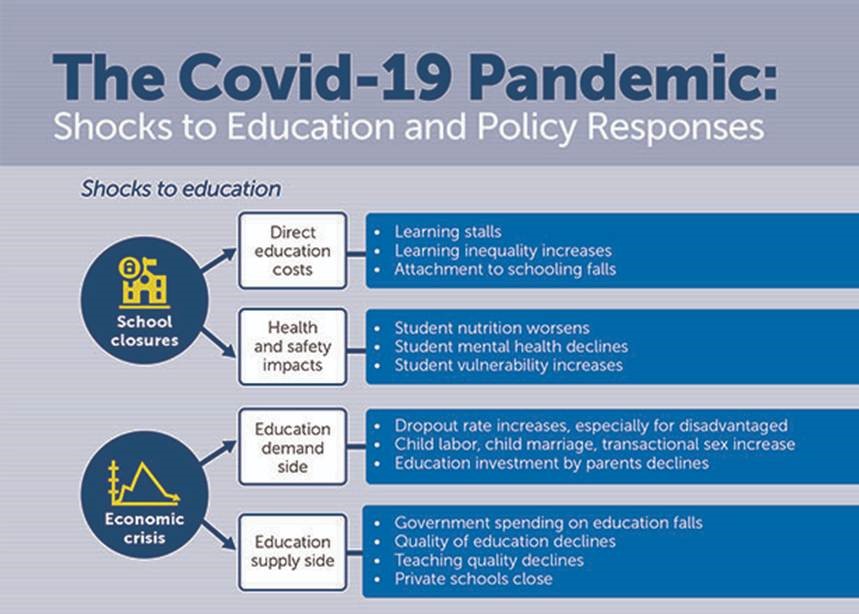
In short, the current education suffered from an enormous gap to provide an effective fight against the pandemic. Notably, lacking resiliency, and the skill to cope emotionally as well as spiritually. Put this against the student and systems aspirations mentioned above, it is interesting to find out how the entire system actually fares.
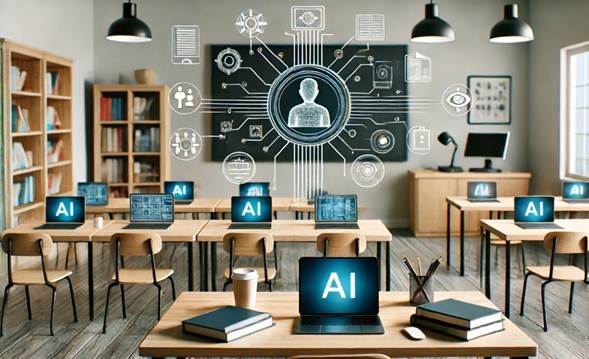
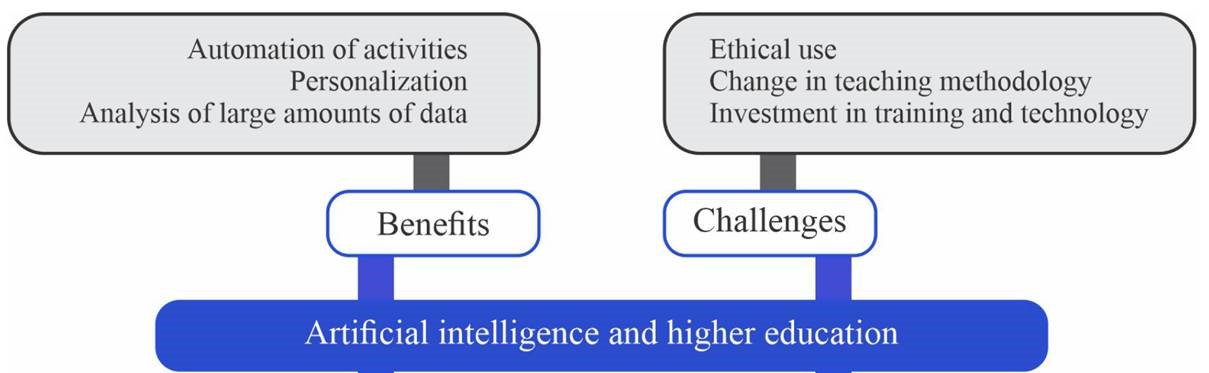
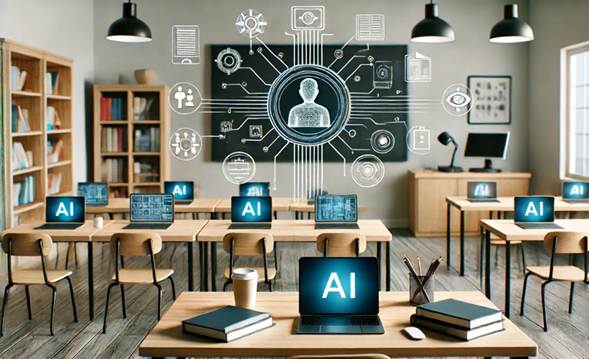
Finally, more ironically, during the pandemic, the presence of 4IR or the so-called Education 4.0 becomes less of a priority. In fact, it is almost unheard of as time goes by, compared to the pre-Covid days! To make it more baffling, all of a sudden, the term Artificial Intelligence (AI) emerged to take its place. Education got skewed to AI at the insistence of power that be. AI labs we designated to various institutions out of nowhere. Just as Education 4.0 emerged without even uttering Education 3.0 or those preceding it, the emergence of AI is equally dubious. Out of the blues, schools and universities are inundated by instructions to "use" AI from the offset! The context seems irrelevant. Not unlike the 4IR, the relationship between the two is still vague, if not taken for granted. Let alone that of SDGs Agenda 2030.


In summary the way forward is complicated and uncertain. It demands leadership capacity of a strong imagination and vision, the courage to speak Truth to power with the overwhelming support of EQ, trust and compassion at its core. Short of this, education will slide even faster dragging the whole country and its people down the drain! To quote the mayor-elect of New York City: "This will be an age where New Yorkers expect from their leaders a bold vision of what we will achieve, rather than a list of excuses for what we are too timid to attempt." Malaysians are tired of the long list fed to them by "timid" leaders of late. Enough is enough!